Impact
Environmental and social outcomes, measured
Impact in numbers
0+
Trees planted
Across plantation programmes to date
0%
Verified survival rate
Independently recorded across projects
0+
Land-owning farmers
In our partner network
0+
Acres of irrigated land
Accessible for plantation programmes
Environmental outcomes
What the land gets back
Carbon sequestration
Long-lived species planted at appropriate densities lock away carbon for decades — and because survival is guaranteed and verified, the sequestration is real rather than notional.
Soil and water
Root systems hold soil on slopes and degraded parcels, slow run-off and improve infiltration, which shows up as better water availability on neighbouring farmland.
Biodiversity
Native, multi-layer species mixes rebuild habitat for pollinators, birds and understorey species instead of creating single-species blocks.
Cooler microclimates
Urban pocket forests and avenue planting bring down surface temperature and dust in the areas immediately around them.
How we measure
Geo-tagged, field-verified, auditable
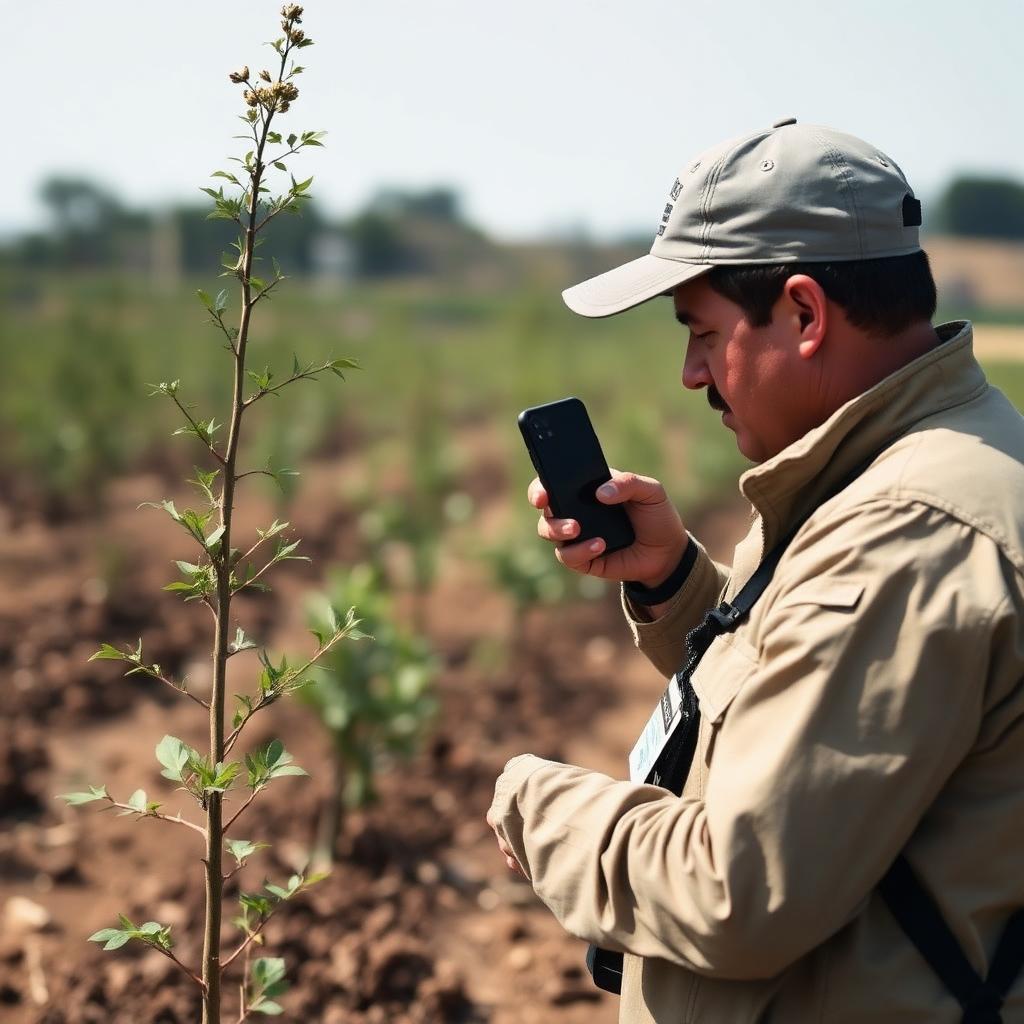
Field teams capture each planting location and record growth and survival using digital data collection tools such as KoBoToolbox. Nothing depends on a single end-of-project estimate.
Because the data is collected per tree, partners can trace any number in a report back to a location on a map — which is what makes a three-year survival guarantee possible in the first place.
Social outcomes
Farmer livelihoods
Programmes are built around land-owning farmers, so trees add a second income stream rather than displacing the existing one.
Rural employment
Nursery work, planting and aftercare are carried out by local field teams, keeping the wage spend inside the region.
Community ownership
Training on planting and maintenance means the community can look after the plantation long after our contract ends.
Transparent reporting
Partners receive geo-tagged records and survival data they can share with their own stakeholders and auditors.